No Spin, Just Answers
21 Questions with Derek
Who Derek is, what he stands for, and how he’ll be accountable — in his own words.
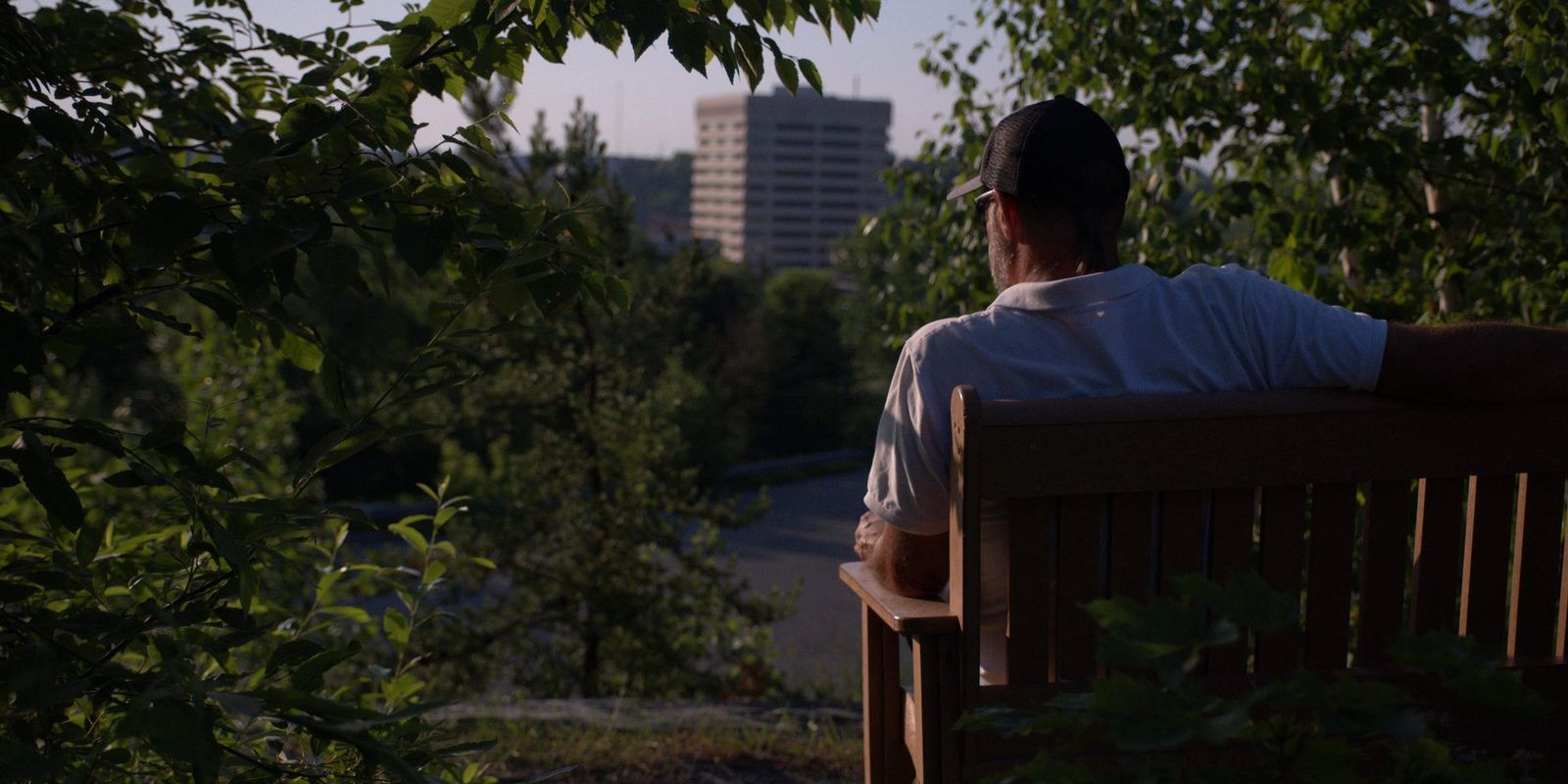
About Derek
1. Why do you think you’re qualified to be a city councillor?
“I’m politically motivated and actively engaged in my community. I ran my first campaign in 2006, and over 20 years of campaign experience and building community have prepared me for this opportunity.”
2. What did you learn from your previous campaigns?
Derek’s first 2006 Ward 12 campaign at age 28 taught him to develop purpose-driven initiatives that address ward-specific concerns. Living in Ward 10 this time lets him experience the issues firsthand — effective ward councillors stay in tune with voters.
3. Favourite places or activities in Ward 10?
“I often walk my dog, take in a festival or take a casual stroll along the boardwalk at Bell Park. I also enjoy the nightlife atmosphere in the entertainment district, spending time at the arena or one of the many live performance venues.”
4. What is your stance on downtown Sudbury & its future?
“Downtown Sudbury is the heartbeat of our community, always has been and always will be.” Derek acknowledges today’s challenges while staying confident the core can return to glory as it evolves.
5. How do you respond to critics who say you dislike Downtown?
Critics often avoid downtown themselves. Perception can become reality — negative perceptions need reframing through action, not dismissal.
6. What do you love about Sudbury as a city?
“I love the Sudbury story and its people. No matter where you go in the world, you will always meet someone from Sudbury who has a personal connection to share.”
On Policy
7. What is your plan to address homelessness downtown?
Follow the current Housing First strategy with adjustments, leading with compassion and dignity and addressing root causes of homelessness and addiction. The 247 crosses at Paris and Brady St. represent lives lost. Immediate, short-term, and long-term actions developed locally with multi-government support — enforcement only as a last resort, once proper supports are in place.
8. What specific programs would you expand?
Three priorities: reinstate the Civic Arts and Culture Fund (“For every dollar invested in the arts, $9.41 is generated in economic development”); increase paramedic and first-responder support including recruitment, retention and mental health services; and establish a Construction Mitigation program for independent businesses hit by downtown construction.
9. What steps will you take to improve mental health services?
An environmental audit of service strengths, gaps and opportunities — consulting grassroots organizations, first responders, street outreach teams, providers and people accessing services. Workplace wellness matters too, with WSIB premiums rising from increased psychological claims. The “Changing Hearts” program takes a trauma-informed, compassionate, holistic approach.
10. Build new — or rehab and better use what we have?
A balanced approach, and Ward 10 is already showing how: 65 Larch Street’s conversion into residential and a youth wellness hub, the ScotiaBank tower condo conversion, Project Manitou’s 347 mixed residential units, the former St. Joseph Hospital repurposing, and school conversions to social housing — all while Sudbury’s housing boom meets or exceeds provincial targets.
11. How would you evaluate a new public infrastructure proposal?
Rigorous vetting, starting with planning department applications. Depending on location, projects may qualify for industrial park or community improvement plan incentives. City staff drive projects, with economic development or planning committees reviewing before council discussion.
12. If you received a $1 million grant, what would you do?
Create a hub providing services for those living on the streets or in encampments — safe sleeping, clothes, food, and mental health and addiction services — so unhoused individuals can receive the support they need to live with dignity.
Values
13. What are your values as a politician?
“Authenticity is most important to me. I also value honesty, informed decision-making, supporting the community and making decisions in the interest of all residents rather than personal benefit.”
14. What kind of Sudbury would you like to see in 5 years?
“I would like to see a kinder, gentler, more compassionate city that looks after its residents and neighbours” — a city we can be proud to call home, that protects its people and assets and creates prosperity for all generations.
15. How do you balance competing interests in difficult decisions?
“God gave us two ears and one mouth, and it’s important to listen.” Run the numbers, do the homework, understand the problem and the solutions — then decide impartially, weighing benefits and disadvantages.
16. How do you handle criticism and opposition?
“Criticism and opposition are always going to be part of politics, and I accept it.” Humility balanced with conviction — and Mayor Hazel McCallion’s advice: “Always do your homework.”
17. How will you balance economic growth with representing Ward 10?
Elected officials must prioritize decisions that grow Sudbury as a whole. Proper economic growth expands the tax base, diversifies the municipal budget beyond property owners, and creates jobs, entertainment, quality of life and infrastructure benefits.
Accountability
18. How will you involve residents in decision-making?
Attending community events, engaging grassroots organizations, supporting community-led projects — and maintaining an open dialogue: returning phone calls and emails and regularly visiting the ward to listen.
19. How will you measure and report progress?
Monthly progress report cards in graphic form on city websites for initiatives like homelessness and economic development — presented simply and accessibly via social media, newsletters, council meeting previews and follow-ups, and regular ward visits.
20. How will you work with other councillors?
“Teamwork makes the dreamwork.” Once elected, councillors represent Greater Sudbury collectively. Do the homework, build the case, and have meaningful conversations before ideas hit the council floor.
21. What obstacles do you anticipate?
Disagreement is inevitable with a bold platform. Construction Mitigation and “Changing Hearts” take time; AODA compliance and by-law hiring can happen early next term. The biggest obstacle on homelessness: changing the community mindset toward fixing the shortfalls rather than reinventing the wheel.